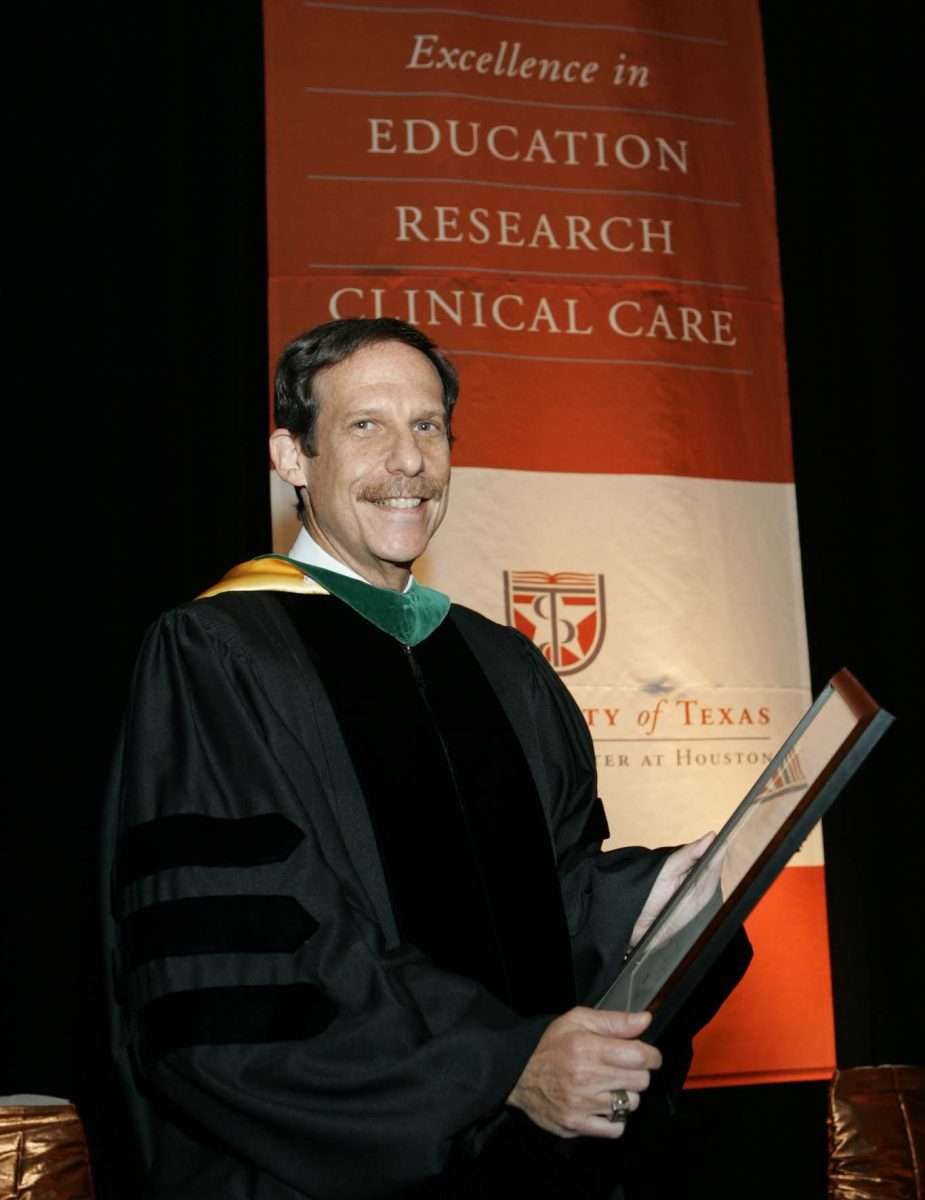
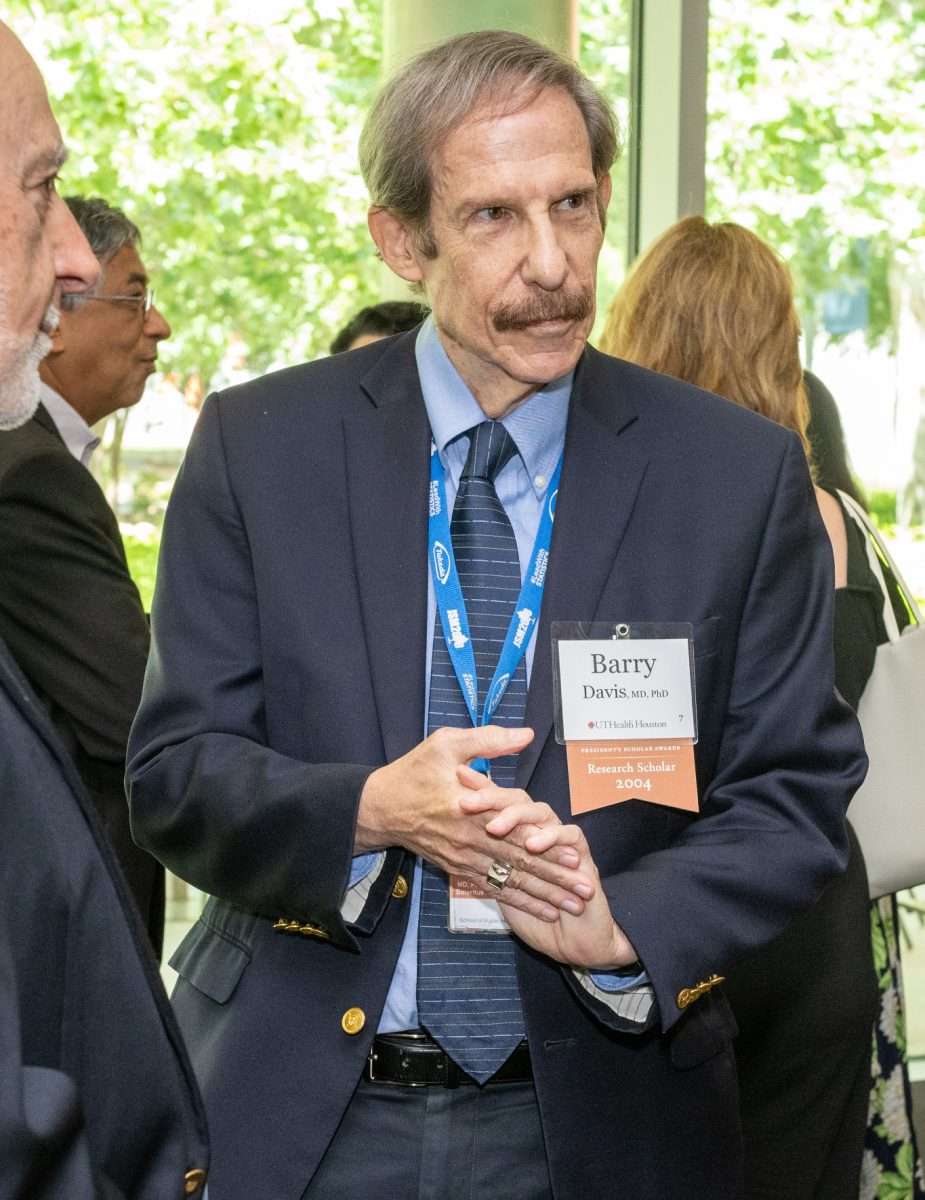
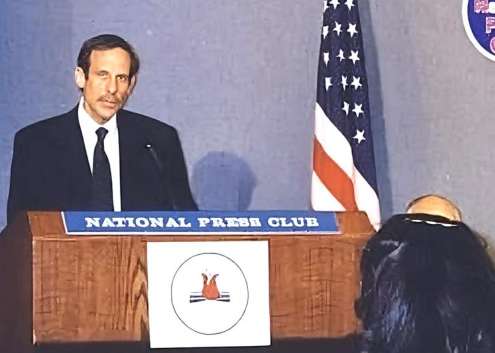
About Barry R. Davis, MD, PhD
 Barry R. Davis is a physician-scientist, biostatistician, and clinical trialist whose career has centered on prevention — not only as a medical strategy, but as a societal responsibility.
He is Professor Emeritus of Biostatistics and Data Science at UTHealth Houston School of Public Health, where he previously served as Chair of the Department and Director of the Coordinating Center for Clinical Trials. He also held the Guy S. Parcel Chair in Public Health. Based in Houston and the Texas Medical Center, his work has shaped national and international approaches to cardiovascular prevention.
Dr. Davis served as Principal Investigator of ALLHAT, one of the largest hypertension trials ever conducted, and led SHEP, a landmark study demonstrating the benefits of treating systolic hypertension in older adults. He also held leadership roles in the Hypertension Detection and Follow-up Program (HDFP). He contributed to the early development of the SPRINT trial and later served on its Data and Safety Monitoring Committee.
In addition to directing large-scale trials, he has served on more than 150 Data and Safety Monitoring Committees and held leadership roles in national and international professional societies.
Across decades of clinical research and public health leadership, a recurring question emerged: Why does prevention so often struggle to gain traction, even when the evidence is strong?
Scientific insight alone does not guarantee action. Institutional incentives, political pressures, economic resistance, and human psychology shape whether early warnings are heeded.
That inquiry ultimately led to The Preventioneers: Diseases, Disasters, and the Discoveries That Changed Our World (Johns Hopkins University Press, 2026), a narrative history exploring how individuals across disciplines recognized danger early and what allowed some to succeed where others stalled.
Today, Dr. Davis writes and speaks about prevention, leadership, and the persistent gap between knowledge and action, offering perspective on how societies can respond more effectively to emerging risks before harm becomes widespread.
Connect with him on LinkedIn for ongoing commentary on prevention and public health.
Continue the Conversation
Follow Barry Davis on LinkedIn for ongoing commentary on prevention, public health, and the ideas behind The Preventioneers.
Subscribe to An Ounce of Prevention, Barry Davis’ free Substack newsletter on the history and science of prevention.
About Barry R. Davis, MD, PhD
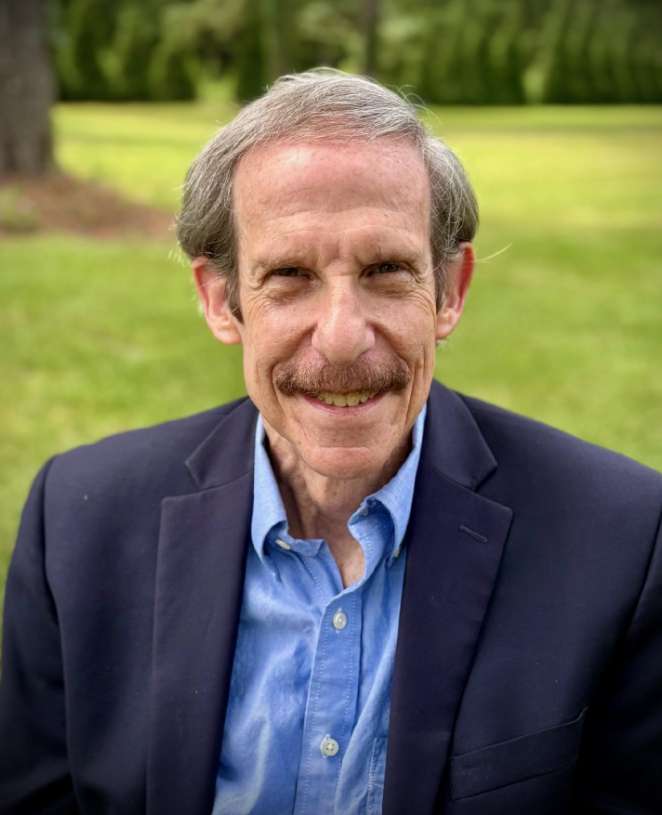
Barry R. Davis is a physician, biostatistician, and clinical trialist whose career has centered on prevention — not only as a medical strategy, but as a societal responsibility.
He is Professor Emeritus of Biostatistics and Data Science at UTHealth Houston School of Public Health, where he previously served as Chair of the Department and Director of the Coordinating Center for Clinical Trials. He also held the Guy S. Parcel Chair in Public Health. Based in Houston and the Texas Medical Center, his work has shaped national and international approaches to cardiovascular prevention.
Dr. Davis served as Principal Investigator of ALLHAT, one of the largest hypertension trials ever conducted, and led SHEP, a landmark study demonstrating the benefits of treating systolic hypertension in older adults. He also held leadership roles in the Hypertension Detection and Follow-up Program (HDFP). He contributed to the early development of the SPRINT trial and later served on its Data and Safety Monitoring Committee.
In addition to directing large-scale trials, he has served on more than 150 Data and Safety Monitoring Committees and held leadership roles in national and international professional societies.
Across decades of clinical research and public health leadership, a recurring question emerged: Why does prevention so often struggle to gain traction, even when the evidence is strong?
Scientific insight alone does not guarantee action. Institutional incentives, political pressures, economic resistance, and human psychology shape whether early warnings are heeded.
That inquiry ultimately led to The Preventioneers: Diseases, Disasters, and the Discoveries That Changed Our World (Johns Hopkins University Press, 2026), a narrative history exploring how individuals across disciplines recognized danger early and what allowed some to succeed where others stalled.
Today, Dr. Davis writes and speaks about prevention, leadership, and the persistent gap between knowledge and action, offering perspective on how societies can respond more effectively to emerging risks before harm becomes widespread.
Continue the Conversation
Follow Barry Davis on LinkedIn for ongoing commentary on prevention, public health, and the ideas behind The Preventioneers.
Subscribe to An Ounce of Prevention, Barry Davis’ free Substack newsletter on the history and science of prevention.